All Categories
Featured

Expert Consulting to Refine Agency Workflows
According to McKinsey, business that break down data silos see a 15-25% increase in marketing efficiency. Data Governance Frameworks: Develop clear protocols for information access, usage, and upkeep to guarantee consistency across the organisation.
[target2:anchor_exact1]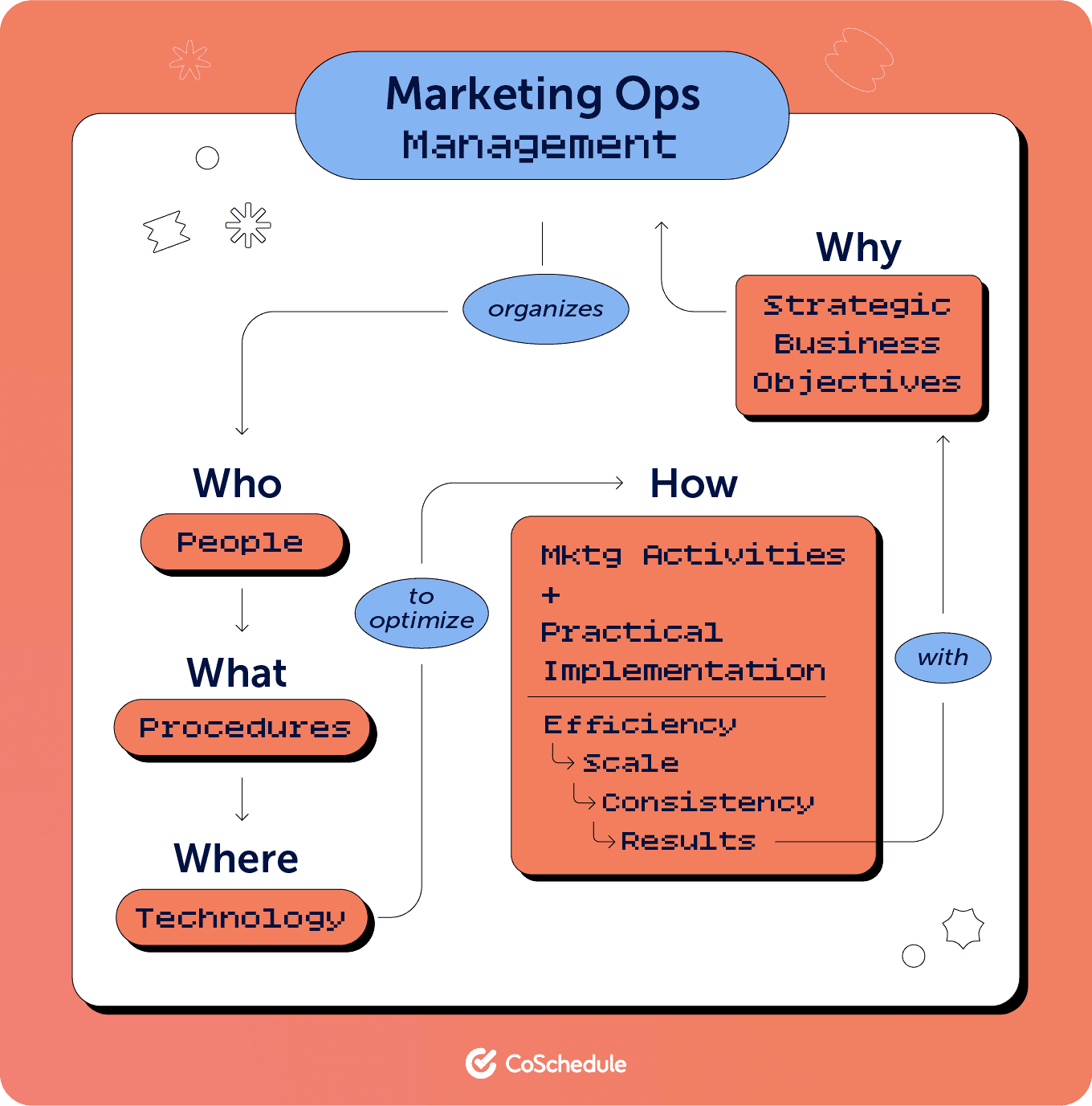
Regular Audits: Set up quarterly data-quality reviews to identify and deal with emerging concerns before they impact performance. Real-World Example: Spotify's Data Development Spotify provides a leading example of information development, integrating structured quality assurance with advanced maker finding out for customer division. Their approach has driven a 20% increase in subscriber conversion and a 15% boost in listener engagement, showing how sophisticated information management directly affects organization results.
[target2:anchor_exact1]A mix of specialised functions and collaborative culture underpins effective marketing operations. A high-functioning marketing operations group typically consists of these important roles: Marketing Operations Supervisor: Manages organisational method, innovation advancement, and process optimisation.

Automation Specialist: Configures workflows, manages combinations, and ensures the innovation stack delivers optimum worth and efficiency. Material Operations Professional: Handles the material production pipeline, guaranteeing consistency, compliance, and effective asset management. Provided today's fast technological evolution, fostering a culture of adaptability is vital. Strategies to develop such resilience consist of: Upskilling Initiatives: Dedicate quarterly learning spending plans for professional training in emerging tools and techniques.

Latest Posts

How Executive Consulting Drives Agency Scale
How Data-Driven Campaigns Improve ROI
Leveraging Proven Growth Models